
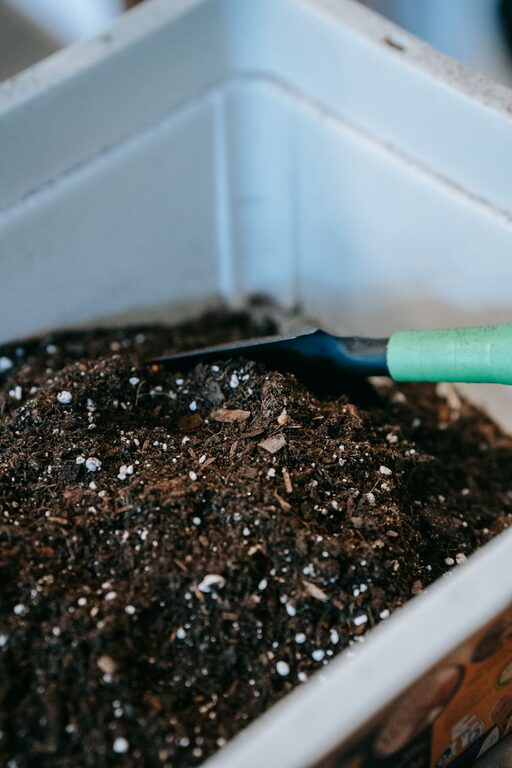
Composting at home is a fantastic way to reduce waste, enrich your garden soil, and contribute to a healthier environment. If you’re new to composting, it might seem a bit overwhelming at first, but with the right approach, it’s simple and rewarding. This guide provides beginner tips to help you get started on your composting journey.
What Is Composting?
Composting is the natural process of recycling organic materials like food scraps and yard waste into nutrient-rich soil, called compost. This compost can be used to improve garden soil, support plant growth, and reduce the need for chemical fertilizers.
Why Start Composting at Home?
– Reduce Household Waste: Composting keeps food scraps and garden waste out of landfills.
– Improve Soil Quality: Compost adds valuable nutrients and improves soil texture.
– Save Money: It reduces the need to buy fertilizers and soil conditioners.
– Help the Environment: Composting lowers greenhouse gas emissions from waste.
Getting Started: Basic Composting Supplies
You don’t need much to start composting. Here are the essentials:
– Compost Bin or Pile: You can buy a compost bin or create a simple pile in your backyard.
– Organic Waste: Kitchen scraps (vegetable peels, coffee grounds), yard waste (leaves, grass clippings).
– Water: Compost needs moisture to break down materials.
– Garden Fork or Pitchfork: For turning the compost occasionally.
Choosing the Right Composting Method
Outdoor Compost Bin
A bin keeps the compost tidy, retains heat, and helps keep pests away. Choose a size that fits your space and waste volume.
Compost Pile
If you have more space, you can simply start a pile at the back of your yard. It’s easy but requires more effort to turn and manage.
Indoor Composting
For those with limited outdoor space, methods like vermicomposting (using worms) or bokashi (fermentation) allow composting indoors.
What to Compost: Greens and Browns
Composting works best when you balance two types of materials:
– Greens: Nitrogen-rich materials, like fruit and vegetable scraps, coffee grounds, fresh grass clippings.
– Browns: Carbon-rich materials, like dry leaves, shredded paper, cardboard, straw.
A good rule of thumb is to aim for about 3 parts browns to 1 part greens. This balance helps compost break down efficiently without bad odors.
What Not to Compost
Avoid composting these items as they can attract pests or introduce diseases:
– Meat, fish, and dairy products
– Oils and fats
– Pet waste
– Diseased plants
– Large branches or woody materials
How to Start and Maintain Your Compost
Step 1: Layer Materials
Start by adding a layer of browns as a base, then add a layer of greens. Alternate layers to create a balanced mix.
Step 2: Keep It Moist
Compost should feel like a damp sponge—not too wet and not dry. Add water if it’s dry, or add more browns if it’s too wet.
Step 3: Turn the Pile
Every few weeks, use a garden fork to turn or mix the compost. This adds oxygen, which speeds up decomposition.
Step 4: Monitor and Adjust
If your compost smells bad, it might be too wet or have too many greens. Add more browns and turn the pile. If decomposition is slow, try chopping or shredding materials and ensure the pile stays warm and moist.
How Long Does Composting Take?
Composting can take anywhere from 2 months to a year, depending on factors like temperature, materials, and how often you turn it. Finished compost looks dark, crumbly, and earthy-smelling.
Using Your Finished Compost
Use your compost in your garden beds, pots, or lawn. It’s excellent for:
– Improving soil texture and fertility
– Helping retain moisture
– Supporting healthy plant growth
Troubleshooting Common Issues
| Problem | Cause | Solution |
|————————|———————————|————————————-|
| Smelly compost | Too wet or too many greens | Add browns, turn pile, reduce moisture |
| Compost too dry | Not enough water | Add water evenly, cover to retain moisture |
| Slow decomposition | Pile too small or compacted | Add more materials, turn regularly, chop materials |
| Pests in compost | Meat/dairy or food scraps | Remove offending items, secure bin lid |
Final Tips for Success
– Be patient: Composting is a natural process that takes time.
– Be consistent: Add kitchen scraps regularly and maintain balance.
– Keep learning: Experiment with different materials and methods.
– Get the family involved: Composting is a great way to teach sustainability.
Composting at home is not only good for your garden but also helps build a more sustainable lifestyle. With these beginner tips, you’re well on your way to turning everyday waste into a valuable resource for your plants and the planet. Happy composting!