
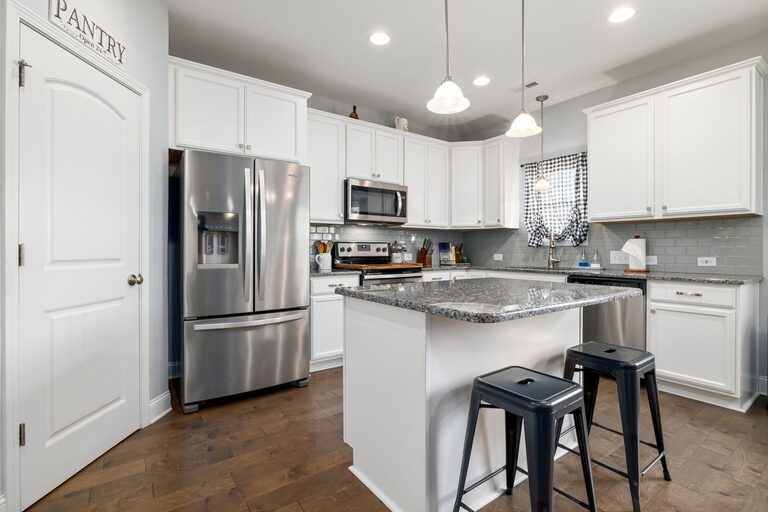
Keeping a tidy fridge and pantry is key to maintaining an organized kitchen, saving time during meal prep, and reducing food waste. When your storage spaces are neat, it’s easier to see what you have, plan meals, and keep food fresh longer. This guide offers practical tips and strategies to help you maintain a clean, orderly fridge and pantry.
Why a Tidy Fridge and Pantry Matter
A cluttered fridge or pantry can lead to spoiled food, forgotten items, and extra trips to the grocery store. By organizing these spaces regularly, you:
– Save money by avoiding duplicates and spoiled goods
– Reduce food waste by using items before they expire
– Make cooking more enjoyable and efficient
– Keep your kitchen clean and hygienic
Getting Started: Clean Out and Assess
Before organizing, take some time to clean and evaluate what you currently have.
Steps to Start Fresh
- **Empty All Contents:** Take out all food from your fridge and pantry.
- **Check Expiration Dates:** Discard expired or spoiled items.
- **Clean Shelves and Drawers:** Use mild soap and water to wipe down surfaces. Dry completely to prevent mold.
- **Group Similar Items:** Sort foods into categories such as dairy, snacks, canned goods, spices, and fresh produce.
- **Take Inventory:** Note what you have and what you use most often.
Organizing Your Fridge
A well-organized fridge keeps food fresh and easy to access. Use the layout of your fridge to your advantage.
Fridge Zones and Tips
– Top Shelf: Store ready-to-eat foods like leftovers, drinks, and packaged items.
– Middle Shelves: Ideal for dairy products like milk, cheese, and yogurt.
– Bottom Shelf: Best for raw meat, poultry, and fish. Place these items on a tray to catch any drips.
– Crisper Drawers: Use one for fruits and another for vegetables. Adjust humidity settings if your fridge has this feature.
– Door Shelves: Good for condiments, juice, and other less perishable items since the temperature varies.
Additional Tips
– Use clear storage bins for grouping small items.
– Label shelves or containers with expiration dates.
– Avoid overcrowding to allow air circulation.
– Keep a small whiteboard or note inside the door for tracking leftovers.
Organizing Your Pantry
A tidy pantry simplifies meal planning and grocery shopping.
Pantry Organization Ideas
– Categorize: Group items by type—grains, canned goods, baking supplies, snacks, spices.
– Use Clear Containers: Transfer dry goods like flour, pasta, and rice into airtight containers for freshness and easy identification.
– Label Everything: Use labels to mark contents and expiration dates.
– Adjust Shelves: Customize shelf height to fit tall bottles or short cans.
– Use Baskets and Bins: Keep packets, snack bags, and small items contained.
Pantry Maintenance Tips
– Rotate items when restocking—place newer items behind older ones.
– Keep a shopping list on or near your pantry door.
– Store frequently used items at eye level for quick access.
– Clean shelves regularly to avoid spills and crumbs.
Daily and Weekly Habits to Maintain Order
Maintaining your tidy fridge and pantry requires simple habits.
Daily
– Put groceries away promptly.
– Wipe up spills immediately.
– Check for leftovers and plan meals to use them.
Weekly
– Do a quick inventory check.
– Toss expired or spoiled food.
– Wipe down shelves and bins if necessary.
– Adjust organization if needed based on use.
Tools and Products to Help
Consider these helpful tools to keep things neat:
– Clear storage bins and baskets
– Airtight containers in various sizes
– Lazy Susans for easy access on shelves
– Shelf risers to maximize vertical space
– Labels and markers for easy identification
Conclusion
Keeping a tidy fridge and pantry doesn’t have to be a big chore. By regularly cleaning, sorting, and organizing your food storage areas, you create a more efficient kitchen that saves you time and money. Start with a thorough cleanout, then implement practical storage solutions. With simple daily and weekly routines, you’ll enjoy a clutter-free kitchen that helps you cook and eat better every day.