
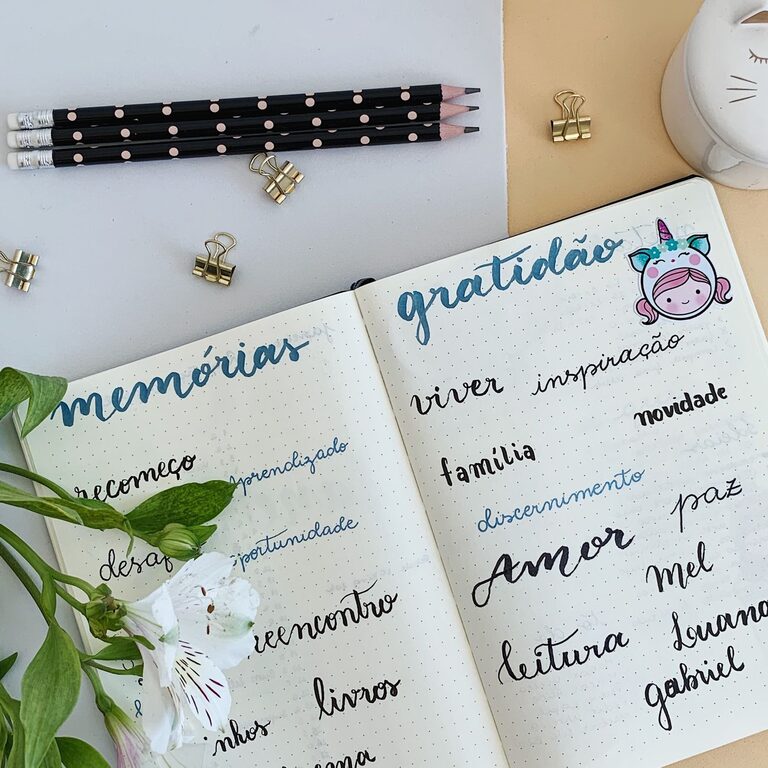
Starting a gratitude journal is a wonderful way to cultivate positivity and mindfulness in your daily life. By regularly acknowledging the things you’re thankful for, you can improve your mood, reduce stress, and enhance your overall well-being. If you’ve been curious about how to start a gratitude journal, this guide will walk you through the simple steps to create a habit that fits your lifestyle and brings lasting benefits.
What Is a Gratitude Journal?
A gratitude journal is a personal notebook where you regularly write down things you appreciate or feel thankful for. These can range from small moments, like enjoying a warm cup of coffee, to bigger life events, such as spending quality time with loved ones. The goal is to shift your focus toward positive aspects of life, helping you develop a more optimistic outlook.
Benefits of Keeping a Gratitude Journal
Before diving into how to start your journal, it’s helpful to understand why this practice can be so powerful:
– Improves Mood: Regularly recognizing positive experiences can increase feelings of happiness.
– Reduces Stress: Focusing on gratitude helps reduce negative emotions like envy or resentment.
– Enhances Sleep: Reflecting on good moments before bed has been linked to better sleep quality.
– Strengthens Relationships: Gratitude fosters appreciation, promoting deeper connections.
– Boosts Mental Resilience: It encourages a positive mindset that can help you handle challenges.
Choosing Your Gratitude Journal
The first step is deciding where you want to keep your gratitude notes. You have several options:
– Traditional Notebook: A physical journal allows you to disconnect from screens and enjoy the tactile experience.
– Digital Journal: Use apps or simple notes on your phone or computer — great for convenience.
– Hybrid Approach: Some people use a physical journal supplemented by digital reminders or prompts.
Pick what feels most natural to you. The best journal is the one you’ll keep up consistently.
When and Where to Write
Creating a regular routine helps form the habit. Consider these tips:
– Pick a Time: Many people find journaling best first thing in the morning or before bed.
– Create a Comfortable Space: Find a quiet, cozy spot to reflect and write without distractions.
– Set a Reminder: Use phone alarms or sticky notes to prompt your journaling session.
Consistency is key. Even just 5 minutes a day can make a difference.
What to Write: Simple Prompts to Get Started
If you’re unsure what to jot down, here are some ideas to guide you:
– List Three Things You’re Grateful for Today: They can be big or small.
– Describe a Positive Interaction: Recall a kind moment you experienced or witnessed.
– Write About a Challenge and a Lesson Learned: Focus on what you’re thankful for in tough times.
– Reflect on Something Beautiful You Saw: Nature, art, or a smile can inspire gratitude.
– Express Thanks to Someone: Even if just in writing for yourself.
Feel free to mix it up. The key is to be honest and specific.
Tips for Making Gratitude Journaling a Habit
Building any new habit takes patience. Here are some tips to help:
– Keep Your Journal Visible: Place it somewhere you’ll see daily.
– Start Small: Don’t pressure yourself to write a lot; a few sentences are enough.
– Make It Enjoyable: Use colorful pens, stickers, or doodles if that motivates you.
– Track Your Progress: Mark off days on a calendar to see your streak.
– Be Patient: Some days it might feel harder; that’s okay. Keep going.
Overcoming Common Challenges
It’s normal to face obstacles along the way. Here’s how to handle a few common ones:
– Running Out of Ideas: Revisit past entries or use gratitude prompts online.
– Forgetting to Journal: Tie the habit to an existing daily routine, like after brushing your teeth.
– Feeling Forced or Insincere: Write about gratitude in a way that feels true to you, even brief or informal notes.
– Skipping Days: Don’t worry about perfection. Just start again the next day.
Incorporating Gratitude Beyond the Journal
Your gratitude practice doesn’t have to stop on the page. Here are ideas to expand it:
– Share Your Gratitude: Tell people you appreciate them.
– Practice Mindfulness: Notice moments of gratitude throughout the day.
– Use Visual Reminders: Place photos or quotes to inspire thankfulness.
– Combine With Other Wellness Habits: Meditation or exercise can complement journaling.
Final Thoughts
Starting a gratitude journal is a simple, effective way to nurture a positive outlook. By committing a few minutes each day to reflect on the good in your life, you can experience benefits that extend well beyond the page. Remember—there’s no right or wrong way to do it. The most important part is to begin and keep at it with kindness toward yourself.
Happy journaling!